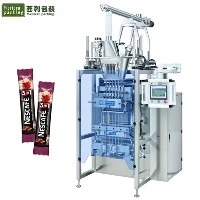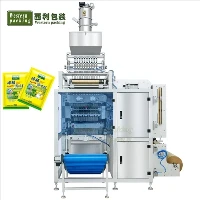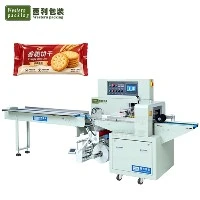


Sachet packaging is widely used across the food, beverage, personal care, pharmaceutical, and nutraceutical industries. Whether it's ketchup, coffee powder, granulated sugar, or table salt, many different products end up in similar sachet-style packaging.
However, for those purchasing packaging equipment, the primary considerations go beyond the dimensions and appearance of the sachet; one must also account for the specific requirements that different types of materials impose on the equipment throughout the packaging process.
1. Different Materials Require Different Packaging Processes
Although all three types of equipment ultimately perform the same core functions-forming the pouch, filling it with product, sealing it, and cutting it-the methods used for upstream material handling differ significantly.
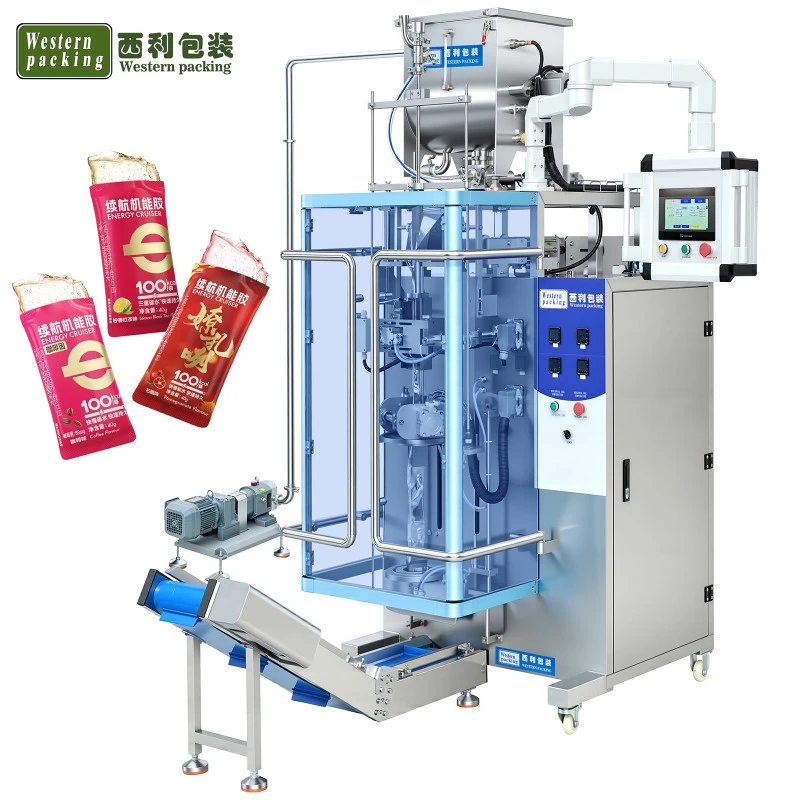
Liquids are transported to the filling station via a pumping system. The equipment must precisely control filling duration, flow rate, and the volume dispensed per cycle, while ensuring that no splashing occurs and no liquid residue is left on the sealing area.
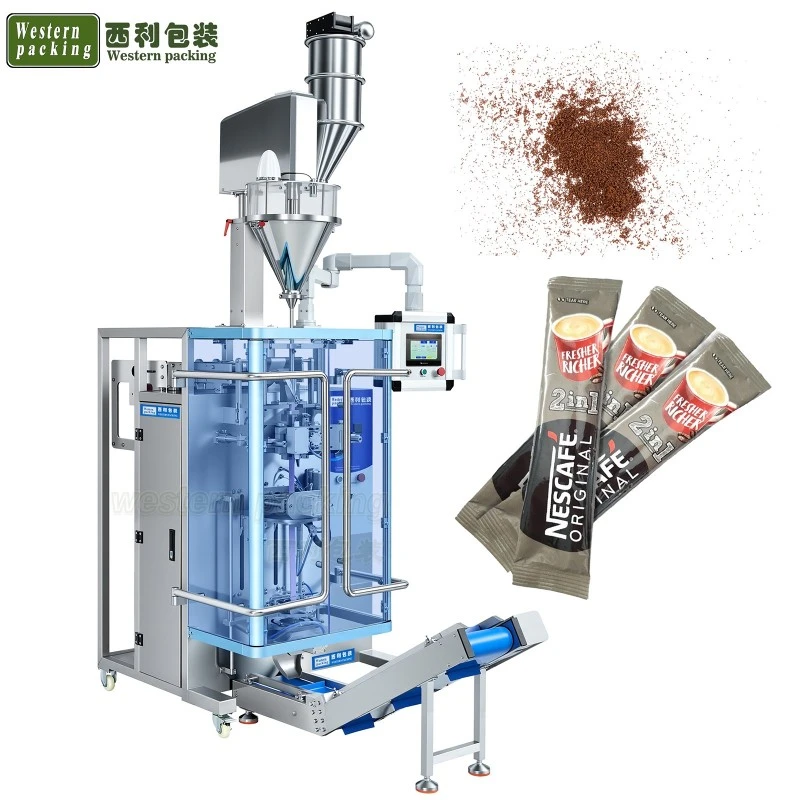
Powders are typically fed into the pouch using an auger (screw) feeding system. For materials that are prone to dusting or have poor flow characteristics, the system must incorporate features such as enclosed feeding mechanisms, agitation, and dust extraction.
Granules undergo a feeding and precise metering process before entering the pouch. Depending on the material's specific properties, this may involve the use of volumetric measuring cups or multihead weighers; the primary objective is to prevent granules from jamming and to minimize fluctuations in the metered quantity.
2.What Problems Should You Consider Before Buying?
In actual production, different materials are prone to specific packaging issues. If these issues are not carefully considered during the equipment selection phase, it may lead to increased time for commissioning and higher maintenance costs later on.
| Filling accuracy, anti-drip functionality, and filling nozzle design | ||
| Feeding mechanism, metering system, anti-clogging measures |
For instance, when packaging ketchup, an poorly designed filling nozzle can lead to product residue at the bag opening, which compromises the quality of the heat seal. When packaging coffee powder, inadequate dust control may result in powder entering the sealing area. In the case of granulated sugar, inconsistent feeding of the granules can affect the weight of each individual bag.
Therefore, when procuring equipment, one should not focus solely on the theoretical packaging speed; it is equally important to evaluate how the equipment performs when handling the actual materials.
3.Single-Lane vs. Multi-Lane Sachet Packaging Machine
For companies requiring high-volume production of small-format packaged products, the number of packaging lanes is a key factor in equipment selection.
Single-Lane Packaging Machine
A single-lane packaging machine processes one package at a time-handling both material filling and sealing. Featuring a relatively simple design, it is well-suited for small-to-medium production runs, product testing, and operations that frequently require changes in packaging specifications.
Multi-Lane Packaging Machine
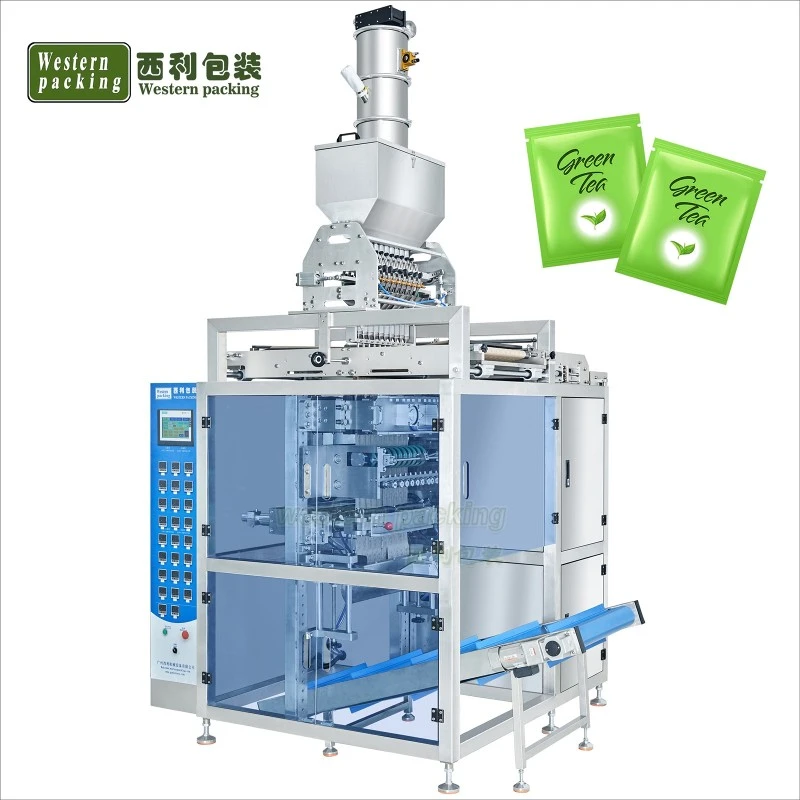
A multi-lane packaging machine performs packaging operations across several lanes simultaneously, significantly increasing the output of small pouches within the same timeframe. This type of equipment is commonly used for products such as coffee sticks, sugar packets, seasoning sachets, shampoo samples, and various liquid pouches.
When selecting multi-lane equipment, beyond the number of lanes, it is essential to consider the consistency of dosing across each lane, the synchronization of the cross-sealing mechanism, and the operational stability across all lanes.
Liquid, powder, and granule sachet packaging machines are not merely three simple categories of equipment; rather, they correspond to distinct material handling methods and production requirements.
When purchasing such equipment, buyers should take a comprehensive approach-considering factors such as material characteristics, packaging specifications, production speed, packaging film, and long-term maintenance.